Apollo Calligraphy: A Friendly Script for Creative Projects
When you're designing something meant to feel personal—like a wedding invitation, a small-batch product label, or a heartfelt social media post—the typeface you choose sets the entire mood. Stiff, corporate fonts can feel out of place. This is where a font like Apollo Calligraphy enters the conversation. It’s not just another script typeface; it’s a tool designed to inject warmth, approachability, and a touch of handcrafted charm into your work. The font’s round, playful strokes and relaxed rhythm create an immediate sense of friendliness, making it a versatile asset for designers and creators who want to connect with their audience on a human level.
Understanding the Personality of Apollo Calligraphy
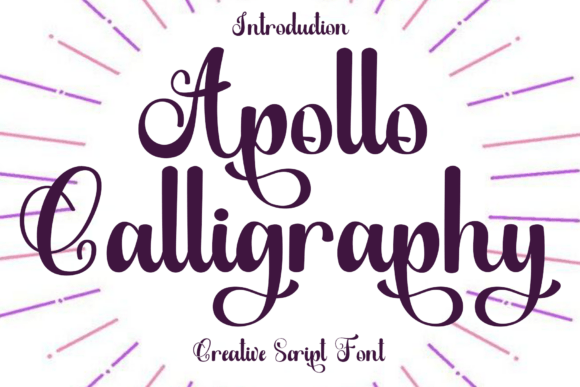
Apollo Calligraphy is best described as a casual and creative font. Its visual DNA is rooted in the handwritten font tradition, but with a modern, polished sensibility. The characters have a soft, rounded quality—think of the way a skilled hand would form letters with a brush pen, allowing ink to flow naturally without harsh, rigid lines. This gives it a relaxed and approachable feel, steering clear of the overly formal or script-like flourishes that can sometimes hinder legibility. It’s a display font with personality, designed to be seen and to convey a specific emotional tone: one of creativity, comfort, and authenticity.
This premium font isn’t just about pretty letters; it’s engineered for practical use. A key feature is its inclusion of standard PUA Encoded glyphs. In plain terms, this means all the special characters, swashes, and alternates are easily accessible across a wide range of design software. Whether you're working in Adobe Photoshop, CorelDRAW, Adobe Illustrator, or even user-friendly platforms like Canva, you can unlock the full stylistic potential of Apollo Calligraphy without technical headaches. This accessibility makes it a powerful design asset for professionals and hobbyists alike.
Where This Creative Font Truly Shines
The strength of Apollo Calligraphy lies in its versatility across projects where a human touch is desired. Its charming, hand-drawn aesthetic makes it particularly effective in several key areas.
- Branding and Identity: For small businesses, cafes, bakeries, boutique studios, or artisan brands, Apollo Calligraphy can form the core of a brand identity. It works beautifully in logo design, especially for wordmarks, and on collateral like business cards, menus, and packaging. It tells customers your brand is personal, creative, and approachable.
- Marketing and Social Media: In the crowded space of social media graphics, a font that feels genuine can stop the scroll. Use Apollo for Instagram stories, quote graphics, sale announcements, or Facebook ads to add a layer of warmth that standard sans-serif fonts lack. It helps your content feel less like an advertisement and more like a message from a friend.
- Publishing and Editorial Design: While not suited for body text, it’s excellent for editorial design elements. Think chapter headings in a lifestyle cookbook, pull quotes in a magazine, or title treatments for blog headers. It adds a creative flair without overwhelming the reader.
- Events and Personal Projects: This is where the font feels most at home. Wedding invitations, birthday cards, thank-you notes, and personal stationery all benefit from its intimate, celebratory character. It’s also perfect for crafters creating custom items on platforms like Etsy.
Making Practical Design Choices with a Script Typeface
Choosing a font like Apollo Calligraphy requires more than just liking how it looks. It’s about evaluating if it’s the right tool for the job and using it effectively. Here’s how to approach it with a professional mindset.
Evaluating Project Fit and Readability
First, consider your project’s primary goal. Is it to inform, to celebrate, or to persuade? Apollo Calligraphy excels in celebratory and persuasive contexts but is not designed for long-form reading. Its role is as an accent—a script font for headlines, subheadings, or call-outs. Always test its readability at the actual size it will be used. A charming swash might look beautiful on a poster but become an illegible blur on a mobile screen. Ensure sufficient contrast between the text and its background.
The Art of Font Pairing
A script font rarely works well in isolation. The key to a professional layout is font pairing. Apollo Calligraphy pairs naturally with clean, neutral typefaces that provide structure and legibility. Try combining it with a simple sans serif font for body text or a classic serif font for a more traditional feel. The contrast between the organic, flowing script and a structured companion creates visual hierarchy and keeps the design balanced. For example, use Apollo for your main headline and a font like Open Sans or Lora for the supporting paragraph.
Reviewing Styles and Licensing
Before committing, explore what’s included with the font. Does it come with alternate characters, ligatures, or stylistic sets? These variations allow you to customize the look and avoid repetitive letterforms, which is crucial for a handwritten font. Furthermore, if your project is commercial—whether it’s a client’s logo, a product for sale, or a paid advertisement—ensure you understand the font’s licensing. Most premium fonts like Apollo Calligraphy come with clear commercial licenses, but it’s your responsibility to confirm the terms cover your intended use. This due diligence protects you and your clients and is a hallmark of a creative professional.
In the end, Apollo Calligraphy is more than just a collection of glyphs. It’s a strategic choice for adding personality and emotional resonance to a design. By understanding its strengths, pairing it wisely, and applying it to the right contexts, you can leverage this modern typography asset to create work that feels authentic, engaging, and professionally crafted. It’s a reminder that in a digital world, a little human touch can go a long way.