Why Gading is the Script Font Your Brand Needs Right Now
There's a particular kind of magic in a font that feels both polished and personal. It’s the difference between a sign that feels like it was printed by a corporation and one that feels like it was written by a friend. This is the space where Gading lives. As a premium font, it isn't just a collection of letters; it's a complete stylistic voice. It captures a whimsical, relaxed energy without sacrificing the professional balance required for real-world projects. For anyone building a brand, designing marketing materials, or creating digital content, finding a typeface with this specific personality is like finding the perfect accessory—it just makes everything else work better.
A Visual Personality: More Than Just Pretty Swashes
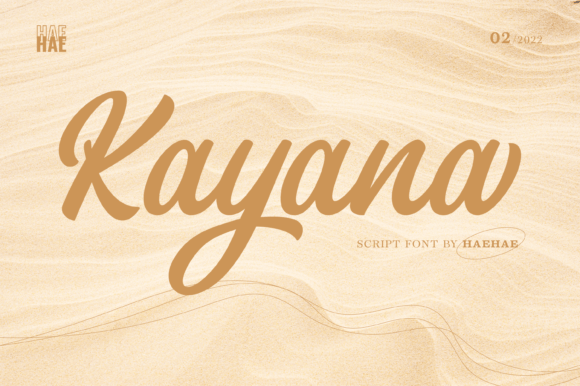
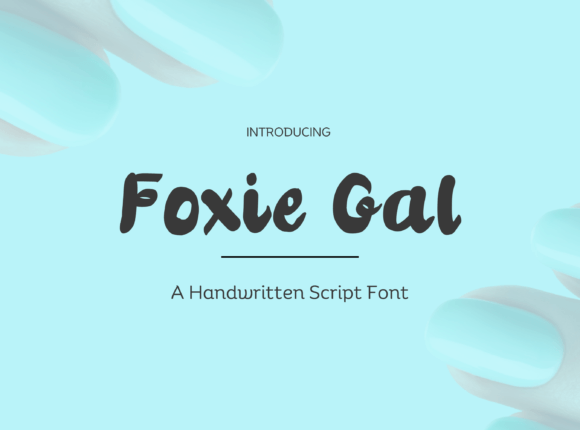
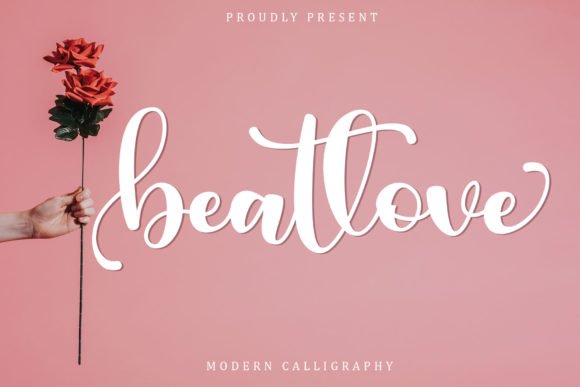
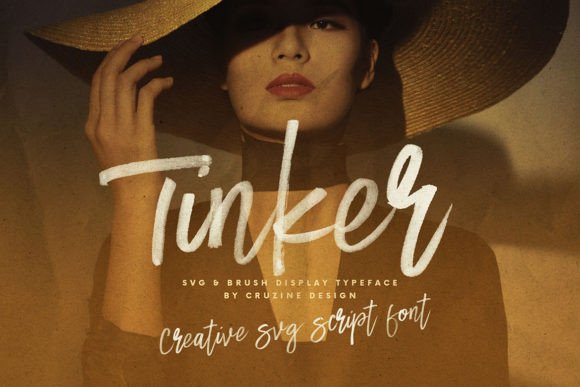
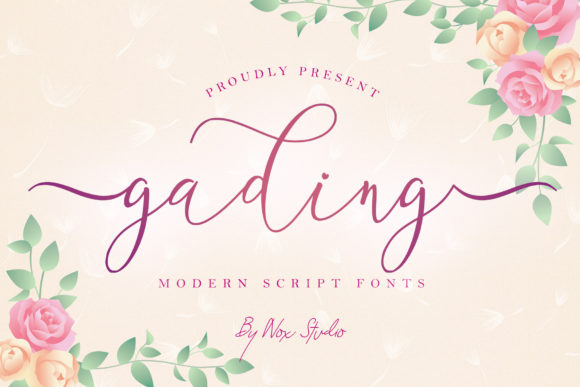
At first glance, Gading is a script font defined by its lovely, flowing style. The characters connect with a natural, handwritten rhythm that avoids the pitfalls of being either too stiff or too chaotic. What makes it particularly effective is the careful construction. Each letter is well-balanced, meaning the thick and thin strokes feel intentional, and the spacing between characters is even. This isn't a font that screams for attention with wild, disconnected loops; instead, it invites the viewer in with a coherent, approachable charm.
The true practicality of a creative font like Gading often lies in the details you don't immediately see. Because it is PUA encoded, every single glyph, swash, and alternate character is fully accessible. This is a technical feature with major creative payoff. It means you aren't limited to the standard letterforms. You can access stylistic alternates to customize the look of specific words, or add elegant swashes to headlines for a more dynamic composition. For a designer, this transforms Gading from a static typeface into a flexible toolkit for creating unique, custom-feeling typography without having to manually draw new letters.
Where Gading Truly Shines: Practical Applications
The versatility of a font is where theory meets the road. A typeface can look beautiful on a specimen sheet but fail in a real project. Gading, however, is built for application. Its relaxed yet polished nature makes it a strong candidate across a wide range of creative fields.
In brand identity, first impressions are everything. Gading is an excellent choice for businesses that want to project warmth, creativity, and a human touch. Think of a boutique coffee roaster, a handmade ceramics studio, a wedding planner, or a lifestyle blog. Used as the primary logo font or for key brand messaging, it instantly communicates a specific aesthetic. It tells your audience you value craft and personality. When paired with a clean sans serif font for body text, it creates a professional yet inviting font pairing that is both readable and memorable.
For editorial design and packaging design, Gading excels at creating visual hierarchy. Use it for pull quotes in a magazine, chapter titles in a book, or the main call-to-action on product packaging. Its distinct style draws the eye immediately, making it a powerful tool for guiding a reader's attention. On packaging, it can elevate a product from a simple item on a shelf to something that feels curated and special. It works beautifully on everything from artisanal food labels to beauty product boxes, adding a layer of perceived value and care.
In the digital realm, its application is just as potent. For web design, Gading can be used for hero text, blog post titles, or special announcement banners to break the monotony of standard web-safe fonts. On social media graphics, it’s a game-changer. Instagram quotes, story templates, and promotional graphics come alive with a font that has this much character. It helps stop the scroll and makes your content feel more designed and intentional, which is crucial for building a recognizable brand presence online.
Integrating Gading into Your Design Workflow
Choosing the right design assets is about more than just liking how they look in isolation. It’s about evaluating how they function within your specific project. When considering Gading, the first step is to define its role. Is it the star of the show, used for a logo or main headline? Or is it a supporting player, adding flair to subheadings and accents? Its personality is strong, so using it for long paragraphs of body copy would likely hinder readability. Its strength is in short, impactful bursts of text.
Testing font pairings is non-negotiable. Gading’s whimsical, script nature needs a stable partner. A geometric or humanist sans serif font is often the perfect counterbalance, providing clean readability for supporting text while allowing Gading to handle the stylistic heavy lifting. You might also experiment with a simple, sturdy serif font for a more classic, editorial feel. The key is contrast. The supporting font should be quiet and functional, letting Gading’s voice be heard without competition.
Before committing, explore the full character set. Since Gading is PUA encoded, take the time to open a glyph panel in your design software and see what alternates are available. You might discover a different ‘g’ or ‘y’ that suits your project perfectly, or find swashes that can be added to the beginning or end of a word for a more custom look. This is where you move from simply using a font to truly designing with it. Finally, for any commercial project, always confirm the licensing. A commercial font like Gading comes with specific terms, and understanding them ensures you can use your display font confidently across all your client work, products, and marketing materials without issue.
Ultimately, a font is a tool for communication. Gading offers a specific dialect—one of relaxed creativity, handmade quality, and approachable elegance. For designers, marketers, and creators looking to inject that personality into their work, it provides a reliable and beautifully crafted solution. It’s a modern typography choice that doesn’t follow a fleeting trend, but rather taps into a timeless desire for human connection in visual design.