Wilson: A Handwritten Font with Heart and Hustle
There’s a certain energy that comes from something made by hand. You see it in the slight imperfection of a signature, the casual flair of a note left on a kitchen counter, or the personalized touch of a gift tag. It’s human, immediate, and full of character. This is the world Wilson invites you into. More than just a set of letters, this premium font is a tool for injecting genuine personality into your projects, bridging the gap between raw creativity and polished execution.
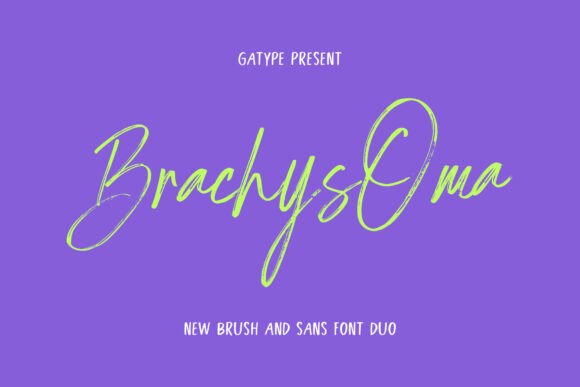
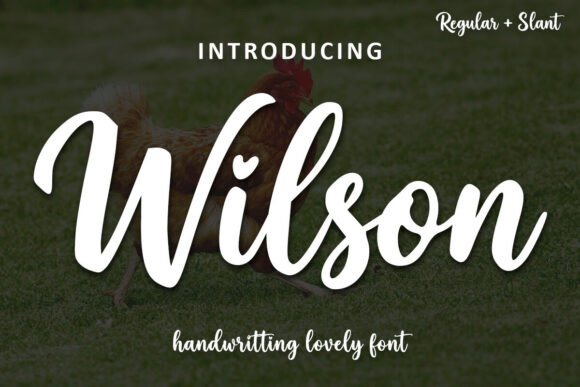
At its core, Wilson is a handwritten font that feels both spontaneous and considered. Its strokes have a natural, flowing rhythm, mimicking the pressure and release of a real pen or brush. You’ll notice subtle variations in the baseline and letter connections, which is key to its authentic charm. It avoids looking overly perfect or digitally sterile, a common pitfall for many script fonts. Instead, it maintains a legibility that’s crucial for practical use, making it a versatile creative font rather than a purely decorative one. The overall personality is warm, approachable, and confidently casual—think of a friendly note from a trusted friend or the elegant scrawl on a boutique’s packaging.
Where Wilson Truly Shines: Practical Applications
Understanding a font’s personality is one thing; knowing where to deploy it is where strategy comes in. Wilson’s strength lies in its ability to add a human touch across a wide spectrum of projects, making it a valuable design asset for professionals and hobbyists alike.
For Branding and Identity: If you’re crafting a brand identity for a business that values connection—like a local café, a handmade goods shop, a personal coach, or a creative studio—Wilson can be a cornerstone. It works beautifully for logos, especially for brands that want to feel approachable and authentic. Pair it with a clean sans serif font for body text to create a balanced and professional font pairing. Think about wedding stationery businesses, artisan bakeries, or lifestyle blogs where the founder’s personality is central to the brand.
In Marketing and Digital Spaces: The digital world can feel cold. Wilson helps break through that. Use it for impactful headlines on landing pages, engaging call-to-action buttons, or personalized-feeling email headers. It’s exceptionally effective in social media graphics for quotes, announcements, or thank-you messages where you want to stop the scroll with a moment of warmth. For web design, it’s perfect for short, high-impact text blocks, but remember to test its rendering across devices.
Editorial and Packaging Design: In editorial design, Wilson can add flair to magazine pull quotes, chapter headings, or subheadings in a cookbook. It brings a tactile quality to the page. For packaging design, it’s a natural fit. Imagine it on the label of a small-batch hot sauce, a candle, or a skincare product. It communicates care, craftsmanship, and a story behind the product, which is invaluable for small businesses competing on shelves or online marketplaces.
Making Wilson Work for You: A Practical Guide
Adopting any new typeface requires a thoughtful process. Here’s how to integrate Wilson effectively into your workflow.
Evaluate the Fit: Before you commit, consider your project’s core message. Wilson communicates intimacy, creativity, and approachability. It may not be the right choice for a financial institution or a tech startup aiming for a hyper-modern, minimalist aesthetic. Its charm is specific, so align it with the emotional tone you need to set.
Master the Pairing: The rule of thumb for pairing a script font like Wilson is to let it be the star. Combine it with a stable, highly legible partner. A geometric sans serif font (think Montserrat, Poppins) or a crisp serif font (like Lora or Merriweather) often provides a perfect counterbalance. Use Wilson for headlines and your chosen partner for body copy to ensure readability and establish a clear visual hierarchy.
Test for Readability: Always conduct a readability check. Set Wilson in a sentence at the size you intend to use it. Can you read every word effortlessly? Check it on a mobile screen and in print. For longer passages of text, it’s best used sparingly for emphasis. Its role is to add personality in key spots, not to carry an entire paragraph.
Explore the Included Styles: Many premium font packages like Wilson come with more than the base style. Look for stylistic alternates, ligatures, or swashes. These extras are goldmines for customization. They allow you to create unique letter combinations for logos or headlines, ensuring your design feels truly one-of-a-kind and elevating it beyond a generic template.
Understand the License: As a commercial font, Wilson comes with a license that dictates how you can use it. Whether you’re a freelancer designing for clients or a business creating your own materials, review the End User License Agreement (EULA). Ensure it covers your intended use—whether for a single client project, unlimited commercial projects, or digital products like templates. This step protects you and respects the work of the type designer.
In the end, choosing a font like Wilson is about making a deliberate choice to connect. It’s a tool that, when used with intention, doesn’t just display words—it conveys feeling. It turns a simple “Thank You” into a gesture, a brand name into a story, and a headline into an invitation. By understanding its strengths and applying it strategically, you can harness its casual elegance to make your work more memorable, personal, and engaging.