Doodle Jelly: A Handwritten Font with Heart and Clarity
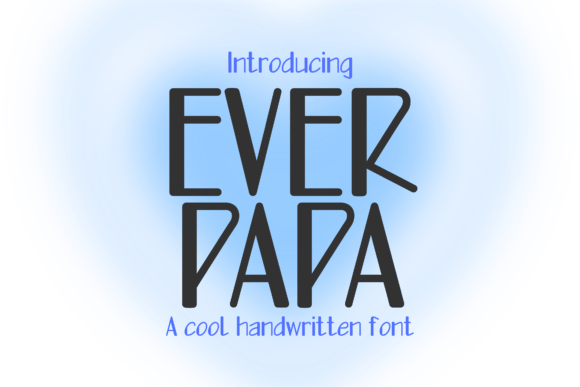
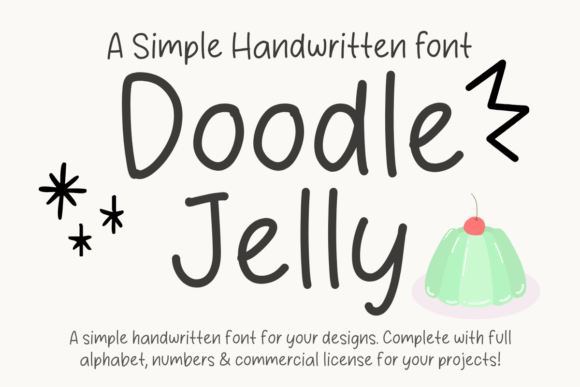
Finding a font that feels genuinely human without sacrificing readability is a common challenge for designers. You want personality, but you also need your message to land clearly. That's where a thoughtfully crafted typeface like Doodle Jelly enters the picture. It's a tall, monoline handwritten font designed to bridge the gap between casual warmth and organized clarity. Imagine the friendly scrawl of a handwritten note, but with the consistency and legibility required for professional work. That's the core appeal.
The Visual Character: Neat Whimsy in Every Stroke
At first glance, Doodle Jelly presents a charming, approachable vibe. Its defining feature is the consistent line weight—the "monoline" aspect—which gives it a clean, modern foundation. Unlike some script fonts that mimic varied brush pressure, this consistency ensures each letter holds its own, enhancing legibility even at smaller sizes. The tall, slightly condensed letterforms add a touch of elegance and help with space efficiency, a practical consideration for anything from social media graphics to packaging labels.
The "whimsy" comes from its subtle, organic curves and the slight irregularity you'd expect from real handwriting. It avoids looking stiff or robotic. The terminals of letters don't end with perfect, sterile points; they have a soft, rounded finish. This creates a cozy, heartwarming feel—like a message from a friend rather than a corporate announcement. It's a handwritten font that prioritizes being understood over being overly stylized, striking that crucial balance for effective communication.
Where Doodle Jelly Truly Shines: Practical Applications
Knowing a font's strengths helps you deploy it effectively. Doodle Jelly isn't trying to be everything; it excels in specific scenarios where its personality can add value without overwhelming the content.
- Brand Identity & Logo Design: For brands targeting a youthful, creative, or family-oriented audience, this font can be a cornerstone. Think bakeries, boutique craft stores, children's educational apps, or indie lifestyle blogs. It injects instant warmth and approachability into a logo design, making a brand feel more personal and trustworthy. It pairs beautifully with a simple sans serif font for body text, creating a clear hierarchy.
- Packaging & Editorial Design: On product packaging, especially for artisanal goods, organic products, or handmade items, Doodle Jelly communicates authenticity. In editorial design, such as magazine pull quotes, chapter headings, or cookbook titles, it adds a personal, crafted touch that draws the reader in. Its legibility ensures it works well even when layered over images.
- Digital & Social Media: The font's friendly demeanor is perfect for the fast-paced, personal world of social media. Use it for Instagram story text, YouTube video thumbnails, or blog post headers to create a consistent, recognizable voice. It helps content feel more relatable and engaging, which is key for audience connection. Its clarity also makes it suitable for web design elements like call-to-action buttons or testimonial quotes, where a human touch can boost conversion.
- Personal & Commercial Projects: For crafters and hobbyists, Doodle Jelly is a versatile design asset. It's ideal for creating personalized invitations, greeting cards, scrapbook elements, or custom planners. For small business owners, it can be used in menus, price tags, thank-you notes, and marketing flyers to maintain a cohesive and friendly brand voice across all touchpoints.
Making the Right Choice: Guidance for Using Doodle Jelly
Integrating any new premium font into your workflow requires a bit of strategy. Here’s how to approach Doodle Jelly to get the most out of it.
Evaluating Fit and Font Pairings
First, consider your project's audience and tone. Does your brand or project call for a creative font with a joyful, approachable vibe? If the answer is yes, test it. A critical step is font pairing. Doodle Jelly works best as a display font for headlines, titles, or short bursts of impactful text. Pair it with a highly readable serif font for long-form body copy in print, or a clean sans serif font for digital body text. Avoid pairing it with another expressive script font, as this can create visual clutter and harm readability.
Understanding the Styles and Licensing
When you acquire a commercial font like Doodle Jelly, review what's included. Check for multiple styles—perhaps regular, bold, or italic variants—which can give you more flexibility in creating visual hierarchy. Also, thoroughly understand the licensing. Ensure the license covers your intended use, whether it's for a single client project, unlimited commercial work, or specific digital products. This is a non-negotiable part of professional modern typography practice.
Readability and Consistency
Always test for readability. View your design at the intended size, on the intended medium (screen or print). Does the text remain clear? Does it support the overall message or distract from it? Using Doodle Jelly consistently across your brand identity materials—from your website to your social media graphics to your printed invoices—builds recognition and professionalism. It turns a simple typeface into a strategic tool for audience engagement.
Ultimately, a font like Doodle Jelly is more than just letters on a screen. It's a tool for adding a specific emotional resonance to your work. Used thoughtfully, it can make your designs feel more human, your brand more relatable, and your message more memorable. It’s about choosing the right voice for the conversation you want to have with your audience.