Casuallity: Adding Handmade Elegance to Your Creative Work
In a digital landscape often dominated by geometric precision and rigid structure, there is a growing appreciation for the human touch. We see it in the return to artisan goods, the popularity of hand-lettering on social media, and the desire for brands to feel more authentic and approachable. This is where the right typeface becomes more than just a vehicle for words; it becomes a core part of a project's personality. It's the difference between a message that is simply read and one that is truly felt. Finding a font that captures this essence without sacrificing professionalism is a common challenge for designers, entrepreneurs, and creators alike.
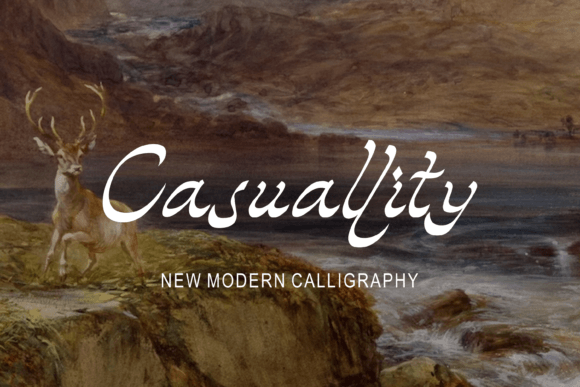
This is precisely the space that Casuallity was designed to occupy. It is a meticulously crafted, hand-lettered calligraphy font that brings a distinct blend of fluid elegance and relaxed sophistication to any project. It’s not just another script font; it's a design asset built to infuse warmth and character into your work. For anyone looking to move beyond generic templates and create a lasting impression, understanding how to leverage a font like Casuallity is a valuable skill. Let's explore what makes this typeface a standout choice and how you can use it to elevate your creative projects.
The Art of Casual Sophistication: Understanding the Casuallity Aesthetic
At its core, Casuallity is a study in contrasts. It possesses the graceful flow and connected letterforms you’d expect from a high-quality script font, yet it avoids the overly formal or stuffy feel that can sometimes accompany traditional calligraphy. The letterforms have a natural, almost effortless rhythm, as if sketched by a skilled hand with a pointed pen. You can see the subtle variations in stroke width, which lend it an organic and authentic texture. This isn't a font that looks like it was generated by an algorithm; it feels intentionally crafted, which is a key component of its appeal as a premium font.
Its personality is best described as approachable elegance. Casuallity is confident without being loud, and charming without being whimsical to the point of distraction. This balance makes it an incredibly versatile display font. It commands attention in headlines and logos but remains legible and inviting. Think of it as the typographic equivalent of a perfectly tailored linen blazer—it’s polished and professional, but it also has a relaxed, comfortable feel that puts people at ease. This unique character allows it to serve as a cornerstone for a modern and sophisticated brand identity.
From Logos to Love Letters: Where Casuallity Truly Shines
The true strength of a creative font like Casuallity lies in its wide range of applications. Its inherent elegance makes it a natural fit for projects centered around personal milestones and luxury goods. Imagine it gracing the cover of a wedding invitation suite, adding a touch of romance to a boutique's gift wrapping, or defining the brand of a high-end florist. In these contexts, the font does more than present information; it sets a mood and creates an immediate emotional connection with the audience.
However, its utility extends far beyond these classic uses. For entrepreneurs and small business owners, Casuallity can be a powerful tool for building a memorable brand identity. A café could use it for its logo and menu headers to convey a cozy, artisanal vibe. A personal coach or wellness blogger might use it to create a signature look for their website and social media graphics, fostering a sense of personal connection with their followers. In editorial design, it can be used for pull quotes or chapter titles in a book to add a layer of visual interest and break up long blocks of text from a sans serif font or serif font.
Practical Applications in Detail
- Logo Design and Branding: Casuallity excels as the primary typeface for logos in industries like fashion, beauty, food and beverage, and lifestyle coaching. It instantly communicates a handmade, premium quality. When used for a brand's main wordmark, it creates a signature that is both beautiful and unique.
- Packaging Design: On product labels and boxes, this font can make a product feel more luxurious and considered. It’s perfect for artisanal foods, cosmetics, or any product where the packaging is part of the customer experience.
- Web Design and Digital Content: While script fonts should be used sparingly on websites for readability, Casuallity is an excellent choice for hero section headlines, call-to-action buttons, or short, impactful phrases. It adds a human touch to an otherwise digital interface.
- Print and Publishing: Beyond book covers, it works beautifully for magazine mastheads, subheadings in articles, or stylized quotes. It provides a sophisticated contrast to body text set in a clean, readable typeface.
Using Casuallity Effectively: A Designer's Guide
Integrating a distinct handwritten font like Casuallity into a design requires a thoughtful approach. The goal is to let its personality shine without compromising the clarity of your message. The most important rule is to prioritize readability. Because of its elaborate swashes and connected letters, Casuallity is best suited for headlines, titles, and short phrases rather than long paragraphs of body text. Using it for a 50-word block will likely create a visually dense and tiring reading experience. Instead, use it to make a statement, then pair it with a highly legible font for the supporting information.
Mastering Font Pairing and Hierarchy
A successful font pairing is about creating contrast and harmony. Casuallity’s fluid, decorative nature pairs exceptionally well with clean, simple typefaces. A classic sans serif font like Montserrat, Lato, or Open Sans provides a modern, neutral backdrop that allows the script to stand out. Alternatively, a simple serif font like Georgia or Garamond can create a more traditional and timeless feel. The key is to choose a partner font that doesn't compete for attention. Use Casuallity for the primary focus—your H1 headline or logo—and the supporting font for subheadings and body copy. This creates a clear visual hierarchy that guides the reader’s eye and makes the entire layout feel organized and professional.
Evaluating the Font for Your Project
Before committing to any commercial font, it's wise to test it in the context of your specific project. Type out the key words for your brand or the main headline for your design. Does the letter spacing feel right? Are the swashes interfering with adjacent letters? Check to see if the font includes stylistic alternates or ligatures, as these can offer more variety and help you fine-tune the look. Finally, always review the licensing. A font’s license dictates how you can legally use it—for example, on websites, in software, or on physical products for sale. Ensuring the license aligns with your project's needs is a crucial final step in the selection process.