Salmonella: A Sweet Handwritten Font for Luxury Designs
Unveiling the Charm of This Handwritten Typeface
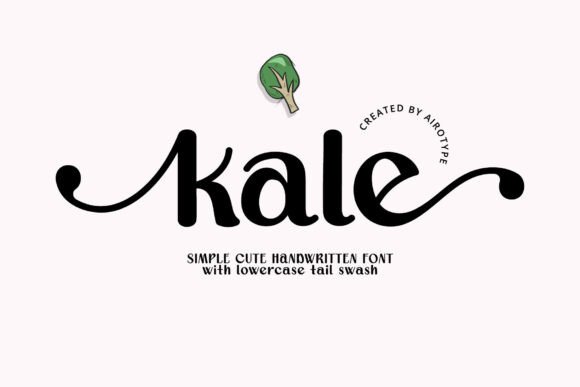
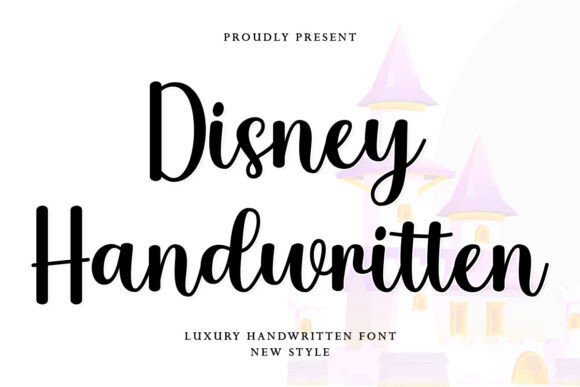
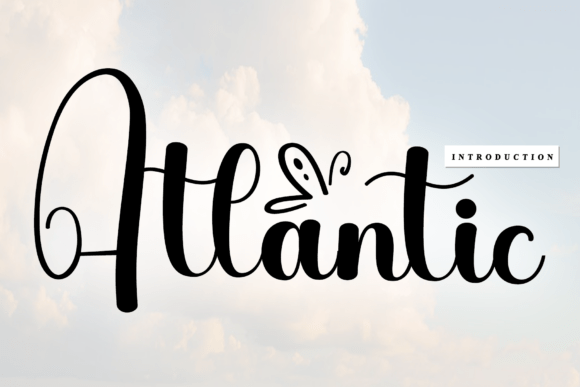
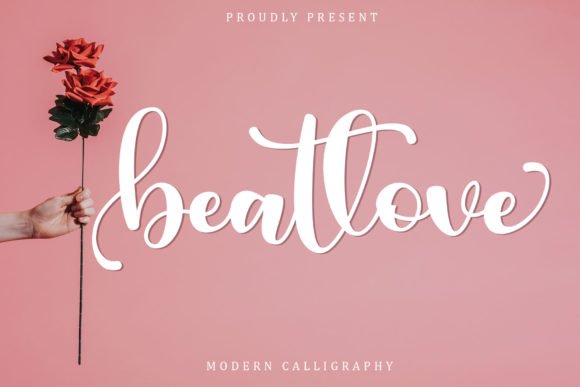
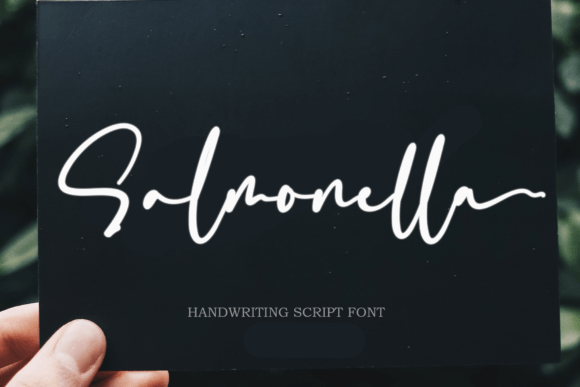
Finding a font that captures genuine warmth without sacrificing sophistication can feel like searching for a needle in a haystack. Enter Salmonella, a premium font that defies its name with a personality that is nothing short of delightful. This isn't just another script font; it is a carefully crafted handwritten typeface designed to bring a human touch to your digital work. The defining characteristic of Salmonella is its fluidity. The characters seem to dance along the baseline, creating a rhythm that feels organic and alive. Unlike rigid sans serif fonts that demand attention through stark minimalism, or heavy serif fonts that anchor a page with tradition, Salmonella invites the viewer in with a whisper of elegance.
When you look closely at the letterforms, you will notice a balance between casual charm and high-end polish. The strokes vary in weight, mimicking the pressure of a real pen on paper, which adds a tactile quality to the text. This visual style makes it an ideal candidate for projects where you need to convey authenticity and care. It possesses a "luxury spark," meaning it doesn't look cheap or childish—a common pitfall with many free handwritten fonts on the market. Instead, it feels curated. For the designer or entrepreneur, this font offers a way to break the monotony of standard corporate typography. It brings a softness to the visual hierarchy, allowing headlines to stand out without shouting. If your brand identity relies on storytelling, connection, and a touch of romance, Salmonella provides the visual voice you have been missing.
Strategic Applications: Where Salmonella Shines
Understanding a font's personality is one thing, but knowing where to deploy it is where the real strategy lies. Salmonella is versatile, but it excels specifically in environments where connection and emotion are prioritized over cold data. For branding and logo design, this typeface is a strong contender for industries centered on lifestyle, beauty, wellness, and artisanal goods. Imagine a boutique bakery, a high-end florist, or a bespoke jewelry maker. Using Salmonella for their wordmark immediately communicates that the business is creative, approachable, and detail-oriented. It pairs exceptionally well with a clean sans serif font for body text, creating a modern typography pairing that is both readable and visually interesting.
In the realm of packaging design, the font’s dancing baseline can add movement to static labels. It helps products stand out on crowded shelves by signaling that what is inside is special and handcrafted. For publishing and editorial design, think beyond the main body text. Salmonella is perfect for pull quotes, chapter titles, or magazine covers where you want to evoke a specific mood. It works beautifully in layouts that require a "pinterest-worthy" aesthetic. Furthermore, for web design and social media graphics, this font is a powerhouse. On Instagram or Pinterest, where visual scroll-stopping is key, a header written in Salmonella can increase engagement. It feels personal, almost like a handwritten note from a friend, which is invaluable for content creators, bloggers, and influencers trying to build a loyal community. It transforms a generic announcement into a personal invitation.
Integrating Salmonella into Your Creative Workflow
Adopting a new creative font requires more than just installation; it requires a strategy for implementation to ensure it enhances rather than hinders your communication. First, consider readability and scale. Because Salmonella is a handwritten font with distinct character movements, it functions best as a display font. This means it is optimized for headlines, subheadings, and short bursts of text. Avoid using it for long paragraphs of small body copy, as the intricate details might get lost or cause eye strain. For body text, stick to a reliable serif or sans serif font that complements the organic nature of Salmonella without competing for attention.
Next, focus on font pairing. A common mistake is pairing a script font with another decorative font. Instead, let Salmonella be the star. Try pairing it with a geometric sans serif like Montserrat or a clean serif like Lora. The contrast between the structured geometric shapes and the fluid handwritten strokes creates a dynamic visual hierarchy that guides the reader's eye naturally. When testing the font, play with tracking (letter spacing). Handwritten fonts often benefit from a little extra breathing room to maintain legibility, especially in digital formats like web design.
Finally, always review the licensing and features of the commercial font. A premium font like Salmonella often comes with different weights, alternates, or stylistic sets that allow you to customize the look of specific letters. This is crucial for logo design, where you might want a unique "R" or "S" to ensure your mark is truly one-of-a-kind. Ensure your license covers your intended use, whether that is for a small business website, print-on-demand merchandise, or large-scale commercial advertising. By treating Salmonella as a strategic asset in your toolkit rather than just a decoration, you can elevate your projects, ensuring they look professional, polished, and deeply connected to your audience.