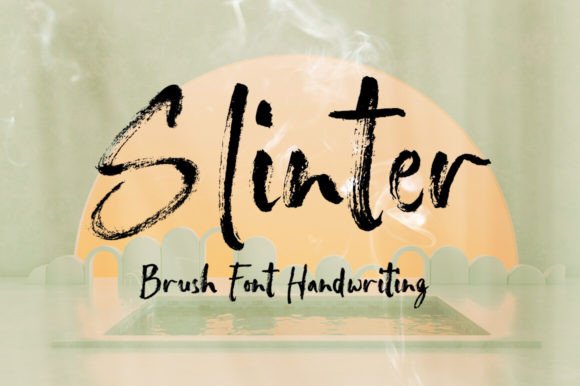
Slinter: A Handwritten Brush Font for Modern Creatives
There’s a certain energy that comes with a good handwritten font. It feels personal, immediate, and a little bit raw. Slinter captures that energy perfectly. It’s a handwritten brush font with a cool, contemporary vibe, designed to inject a dose of trendiness into any project. But beyond its stylish appearance, its real value lies in its versatility. For designers, entrepreneurs, and creators building a collection of reliable design assets, Slinter isn’t just another pretty face; it’s a practical tool with a distinct personality.
Understanding Slinter’s Visual Character
At its core, Slinter is a display font. Its strength is in headlines, logos, and short bursts of impactful text. The letterforms have a natural, hand-painted quality, with slight variations in stroke thickness that mimic the pressure of an actual brush. This isn’t a stiff, perfect script. It has a confident, slightly textured edge that feels authentic. The overall style leans modern and slightly edgy, making it a fantastic alternative to more traditional or overly formal script fonts. It’s the kind of typeface that speaks to a younger, design-savvy audience without trying too hard.
Where Slinter Truly Shines
Think of Slinter as your go-to for projects that need a human touch. Its applications are broad, but it excels in specific areas where personality and readability at scale are key.
- Brand Identity & Logo Design: For a brand that wants to feel approachable, creative, and current, Slinter can be a game-changer. It works beautifully for lifestyle brands, boutique agencies, artisanal products, or any business targeting a millennial or Gen Z demographic. Imagine it on a coffee bag label, a skincare product, or the logo for a freelance photographer. It instantly communicates a specific, curated aesthetic.
- Marketing & Social Media Graphics: In the fast-scrolling world of social media, grabbing attention is everything. Slinter’s distinctive style stops the thumb. Use it for Instagram story headlines, Facebook ad copy, or Pinterest graphics. Its handwritten nature feels native to these platforms, boosting engagement and making your content feel less corporate and more conversational.
- Packaging & Editorial Design: On physical products, Slinter adds a premium, crafted feel. It’s excellent for packaging design where you want to highlight a product name or a key phrase. In editorial design, like magazine covers or feature spreads, it can create dynamic pull quotes or section headers that draw the reader’s eye.
- Web & Digital Design: While you wouldn’t use it for body text, Slinter is a powerful accent font in web design. Use it for hero section headlines, call-to-action buttons, or promotional banners. Paired with a clean sans serif font or a classic serif font, it creates a compelling visual hierarchy that guides the user’s attention.
- Personal & Craft Projects: For bloggers, crafters, and hobbyists, Slinter is a dream. It’s perfect for creating custom quotes for wall art, designing unique invitations, personalizing planners, or making standout headings for a blog post. Its commercial license often covers these personal uses, making it a valuable asset for side projects and Etsy shops.
Making Slinter Work for Your Project
Choosing the right font is a strategic decision, not just an aesthetic one. Here’s how to evaluate and implement Slinter effectively.
Evaluating Fit and Readability
First, consider your project’s core message and audience. Is the tone playful, sophisticated, rebellious, or friendly? Slinter’s personality is cool and trendy, so it’s a perfect match for brands and projects in that space. It might not be the best choice for a law firm or a traditional financial institution. Always test the font in context. Mock up your design with real copy to see how it feels. Pay close attention to readability—while it’s designed to be legible, its handwritten style means it’s best for larger sizes. Avoid using it for long paragraphs or small body text.
The Art of Font Pairing
A creative font like Slinter rarely works alone. The key to professional design is smart font pairing. Slinter’s expressive nature needs a more neutral partner to create balance and ensure overall readability.
- With a Sans Serif: This is a classic, reliable combination. Pair Slinter with a geometric or humanist sans serif font like Montserrat, Poppins, or Open Sans. The clean lines of the sans serif provide a perfect counterpoint to Slinter’s organic brush strokes, creating a modern and approachable look.
- With a Serif: For a more sophisticated or editorial feel, try pairing Slinter with a transitional or old-style serif font like Lora, Merriweather, or Playfair Display. This combination can feel both elegant and contemporary, ideal for lifestyle magazines or high-end product branding.
A good rule of thumb: use Slinter for headlines or key phrases, and let your chosen secondary font handle the subheadings and body copy. This creates a clear visual hierarchy that makes your design both beautiful and functional.
Practical Considerations: Styles and Licensing
Before purchasing, check what’s included with the premium font package. Does Slinter come with multiple weights or styles? Some versions might include alternate characters, swashes, or a set of catchwords and ornaments, which can add even more creative flexibility. Understanding the commercial font license is non-negotiable. Ensure the license covers your intended use—whether it’s for a single client project, unlimited commercial work, or digital products like templates. Reputable foundries are clear about their terms, so read them carefully to avoid legal headaches down the road.
Ultimately, Slinter is more than just a trendy handwritten font. It’s a versatile piece of modern typography that, when used thoughtfully, can elevate a design from ordinary to memorable. It helps build a brand identity