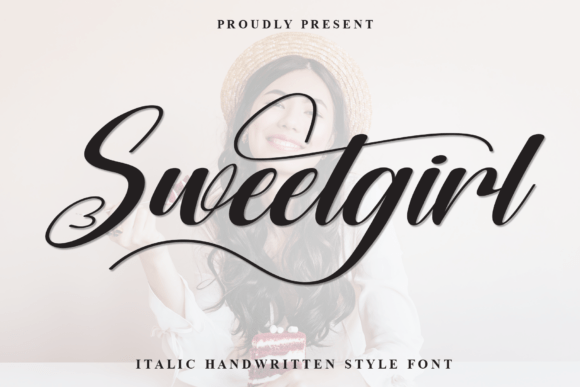
Sweetgirl: The Handwritten Font That Feels Like a Warm Hug
There's a moment in design when a typeface doesn't just sit on the page—it communicates a feeling before a single word is read. That's the immediate, charming effect of Sweetgirl. It’s not just another script font; it’s a personality distilled into letterforms. Crafted with an obvious affection for detail, this premium font carries a joyous, approachable vibe that can transform a project from merely functional to genuinely inviting. It’s the typographic equivalent of a friendly smile, perfect for designs that aim to connect on a human level.
More Than Just Pretty Letters: The Anatomy of Sweetgirl
At first glance, Sweetgirl presents itself as a quintessential handwritten font. Its characters flow with a natural, slightly bouncy baseline, mimicking the organic rhythm of real handwriting. The letterforms are crafted with a soft, rounded quality, avoiding sharp angles in favor of smooth curves that feel warm and personable. This isn't a font that strives for perfect, mechanical precision; its charm lies in its subtle imperfections—the gentle variations in stroke weight, the natural connection points between letters, and the overall sense of movement. It’s a display font designed to be the star of the show, especially in headlines, logos, and short, impactful text blocks.
The true strength of Sweetgirl lies in its versatility within the handwritten style. It avoids the extremes of being overly casual or too formal. This balance makes it incredibly useful. You can see it gracing the elegant, flowing script of a wedding invitation, but equally at home on the playful label of a artisanal jam jar. Its personality adapts to the context, absorbing the colors, imagery, and message around it to reinforce the intended tone—whether that's whimsical, sophisticated, or cheerfully rustic.
Where Sweetgirl Truly Shines: Practical Applications
Understanding where a font excels is key to using it effectively. Sweetgirl is a master of specific applications where its personality can enhance communication and engagement.
For Branding and Marketing That Connects
In logo design and brand identity, a font like Sweetgirl can be a strategic choice. For businesses that want to project approachability, creativity, and a personal touch—think boutique bakeries, freelance illustrators, lifestyle coaches, or artisanal product makers—this creative font becomes an extension of the brand's voice. It tells the audience, "We're real, we're friendly, and we care about our craft." When used in social media graphics, it helps posts stand out in a crowded feed, adding a layer of warmth and authenticity that generic sans-serif fonts often lack. It’s excellent for quote graphics, promotional announcements, and Instagram stories.
In Publishing and Editorial Design
While not suited for body text, Sweetgirl finds a perfect home in editorial design. Think of chapter titles in a lifestyle cookbook, pull quotes in a magazine feature, or the title treatment for a blog post about home décor. It adds a tactile, human element that draws readers in. For self-published authors, especially in romance, children's, or memoir genres, using Sweetgirl for the cover title can immediately signal the book's tone and appeal to the right audience, making it a valuable design asset.
Elevating Personal and Commercial Projects
This is where the font's joyous appeal truly resonates. For personal projects like wedding invitations, greeting cards, or party decorations, Sweetgirl infuses a celebration with personality. For commercial use, it’s ideal for packaging design—especially for products targeting a female demographic or those with a "homemade" aesthetic. It works beautifully on product tags, thank-you cards, and website headers for e-commerce stores selling handmade goods. The key is using it where its charm enhances the product's story rather than overwhelming it.
Working with Sweetgirl: A Designer's Practical Guide
Choosing a font is only the first step. Using it well requires a bit of strategy. Here’s how to integrate Sweetgirl effectively into your workflow.
Pairing for Balance and Hierarchy
The golden rule with any strong display font is to pair it with something quieter. Sweetgirl demands a simple, clean partner to maintain readability and create a clear visual hierarchy. A neutral sans serif font like Montserrat, Open Sans, or Lato for body text is a classic, foolproof combination. For a more refined look, a sturdy, readable serif font like Lora or Merriweather can provide an elegant contrast. The goal is to let Sweetgirl handle the emotional, high-impact moments while the supporting font does the heavy lifting of conveying detailed information.
Evaluating Fit and Testing Thoroughly
Before committing, ask: Does this font's personality align with my project's goals? Test it in context. Create a mockup of your logo, a social media post, or an invitation layout. Look at it on screen and, if possible, print it out. Check the legibility of specific letter combinations that are important to your project—like the capital 'S' or the lowercase 'g'. Review all the included styles and glyphs; a good premium font often includes alternate characters, ligatures, and swashes that can add unique flair to your design.
Understanding Licensing and Professional Use
For any project that will be sold or used commercially—from a client's logo to a product you sell on Etsy—using a commercial font with the proper license is non-negotiable. This ensures you have the legal right to use the typeface in your final product. Most font marketplaces offer clear licensing options for desktop, web, and app use. Investing in a licensed handwritten font like Sweetgirl is part of building a professional, consistent, and legally sound brand identity. It’s a small detail that speaks volumes about your professionalism and respect for creative work.
In the vast landscape of modern typography, finding a font that feels both distinctive and genuinely useful is a win. Sweetgirl is that kind of find—a tool that doesn't just display words but helps tell a story, evokes a specific emotion, and builds a bridge between a brand and its audience. It’s a reminder that in design, the right personality can make all the difference.