Embrace the Free-Spirited Vibe with the Kismet Typeface
In a digital landscape saturated with geometric precision and rigid grids, there is a growing hunger for designs that feel personal, organic, and human. Enter Kismet, a premium font that captures the essence of bohemian artistry and the unpredictable beauty of nature. This isn't just another script font; it is a carefully crafted typeface designed to bridge the gap between professional brand identity and the raw, free-spirited aesthetic of the boho chic movement. For designers and brand strategists looking to break away from corporate sterility, Kismet offers a pathway to creative font usage that feels both authentic and intentional.
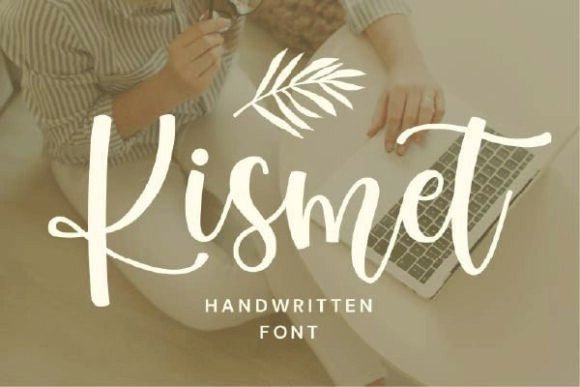
The visual DNA of Kismet is defined by its whimsical, hand-lettered quality. Unlike standard handwritten fonts that can sometimes look amateurish or difficult to read, Kismet maintains a professional baseline while embracing artistic flair. Its strokes possess a natural, organic rhythm, mimicking the flow of a calligrapher’s brush or a marker pen on textured paper. This display font is characterized by soft curves, gentle irregularities, and a texture that feels earthy and grounded. It is the typographic equivalent of a macramé wall hanging or a weathered leather journal—objects that tell a story of craftsmanship and individuality. When you apply Kismet to a project, you are immediately injecting a sense of freedom and creativity that rigid modern typography often lacks.
The Power of Personality: Why Earthy Branding Works
Choosing a typeface is rarely just about legibility; it is about psychology and perception. In the realm of brand identity, your typography speaks before your words do. Kismet acts as a visual cue for audiences who value authenticity, sustainability, and a relaxed lifestyle. For lifestyle blogs, wellness brands, or boutique hotels, using a bohemian-themed typeface signals that the experience will be personal and curated, rather than mass-produced and generic.
However, relying solely on a decorative typeface like Kismet for body text can be a mistake. The true strength of this creative font lies in its ability to create a strong visual hierarchy. As a display font, Kismet excels in headers, pull quotes, and hero text. It draws the eye and establishes the mood instantly. To support this, savvy designers often employ a font pairing strategy. Kismet pairs beautifully with a clean, humanist sans serif font or a minimal serif font. The contrast between the wild, artistic personality of Kismet and the structured simplicity of a secondary typeface creates a balanced layout that is both engaging and easy to navigate. This approach ensures that your design assets look professional while retaining that coveted eclectic flair.
Practical Applications: From Editorial Design to Packaging Design
The versatility of Kismet allows it to shine across various mediums, provided it is applied thoughtfully. In editorial design, such as magazine headers or book covers for poetry and fiction, Kismet adds a layer of emotional depth. It suggests that the content inside is intimate and expressive. For packaging design, particularly in the cosmetics, artisanal food, or home fragrance industries, this typeface is a game-changer. Imagine a candle label or a tea box featuring Kismet; the font immediately communicates that the product is handcrafted, natural, and high-quality. It turns a simple product into a desirable design asset.
In the digital sphere, web design and social media graphics benefit immensely from this aesthetic. Social media graphics need to stop the scroll, and the distinctive loops and swashes of Kismet are perfect for Instagram quotes, Pinterest pins, and sale announcements. It helps content creators and influencers build a cohesive feed that feels curated and artistic. Furthermore, for logo design, Kismet offers a unique advantage for niche markets. While it may not suit a law firm or a tech startup, it is the perfect typeface for yoga studios, wedding planners, and independent boutiques. A logo set in Kismet feels approachable and memorable, fostering a stronger connection with the target audience.
Technical Considerations and Commercial Licensing
When integrating a premium font like Kismet into your workflow, practical considerations regarding readability and licensing are paramount. Because of its decorative nature, Kismet should generally be used at larger sizes. At small sizes, the intricate details that make the font beautiful can become muddy and illegible, particularly on lower-resolution screens. Always test your typography across different devices to ensure the web design remains accessible.
Additionally, understanding commercial licensing is essential for entrepreneurs and small business owners. A commercial font license grants you the legal right to use the typeface in projects that generate revenue, such as client work, merchandise, or digital products. Before purchasing, review the specific terms included with the Kismet font package. Look for details regarding the number of users, allowed formats (desktop, web, app), and whether the license covers merchandise creation. Investing in a legitimate license not only supports the type designer but also protects your business from potential legal issues down the line.
Final Thoughts on Creative Font Selection
Ultimately, the decision to use Kismet should be driven by the specific narrative of your project. If your goal is to evoke a sense of wanderlust, warmth, and artistic expression, this typeface is an exceptional choice. It moves beyond mere text to become a central element of the visual experience. By combining Kismet with complementary design assets—such as textured backgrounds, earthy color palettes, and organic imagery—you can create a brand identity that resonates deeply with a community of creatives, dreamers, and free spirits. In a world that often prioritizes uniformity, Kismet reminds us that there is immense value in designs that celebrate individuality and the art of the unconventional.